Learn how to build credit as a student from scratch using student credit cards, secured cards, and smart financial habits with this step-by-step guide.
Today’s students know the importance of developing a good credit record early in life. But building it while still studying in college or university may seem to be a difficult task, especially since students are unlikely to have any credit history, Well, this is where the role of student credit cards begins. In recent years, these cards have become a principal tool to develop credit history and a good credit score for students. Student credit cards are no longer viewed just as a credit tool to manage expenses while studying. They are now an irreplaceable tool for building a financial foundation for a student early in their career.
As a student, do you want to take advantage of these tools to build your credit score and future financial foundation? Here we are to explain how you can do this in a systematic way.
Why Credit Matters for Students?
Let’s begin with the basics. Why really students need credit and why at all they need to build a credit history. Well, credit history functions as a financial report card for any individual and it can significantly impact the chances of getting a home or car loan, being considered as a potential buyer or tenant in a high-value property or for getting business loans or loans for studying abroad. Financial institutions and banks before approving a loan or mortgage request check the trustworthiness of the applicants primarily through credit history and credit score.
As a loan defaulter with a poor credit score finds it difficult to get approval, similarly an applicant with no prior credit history finds it hard to prove his trustworthiness. Let’s find out some areas where credit score really matters.
- Renting an Apartment: Before giving you a property on rent, landlords often check your credit history, just to make sure that you are capable enough to pay the rent on time.
- Auto Loans and Mortgages: Whether you take loans to buy a car or purchase a home, your credit score determines faster approval time, better interest rate availability and more favorable repayment terms.
- Lower Insurance Premiums: There are also states where insurance companies offer better premium rates to customers having a good credit score. A higher credit score can save you money on multiple insurance premiums as well.
- Utility Services: In the US and in many countries, subscribing to basic utility services like electricity, gas, and postpaid internet connection often requires a credit score check. With a good credit score you may not need to pay the security deposits for utility services.
- Future Financial Products: With a good credit score you always can access more high-value credit cards, loan products or coveted membership cards easily.
Basics of Credit Scores: How It Works?
Credit score is a direct result of your credit repayment history. Two models that are widely followed by the financial institutions for deciding credit scores are FICO Score and VantageScore. Despite the differences in their method of calculation, they rely on the same key factors such as how frequently you use credit cards and loan products, how timely you repay credits, how frequently you use credit cards, etc.
How to Build Your Credit Score as a Student? A Step-by-Step Guide
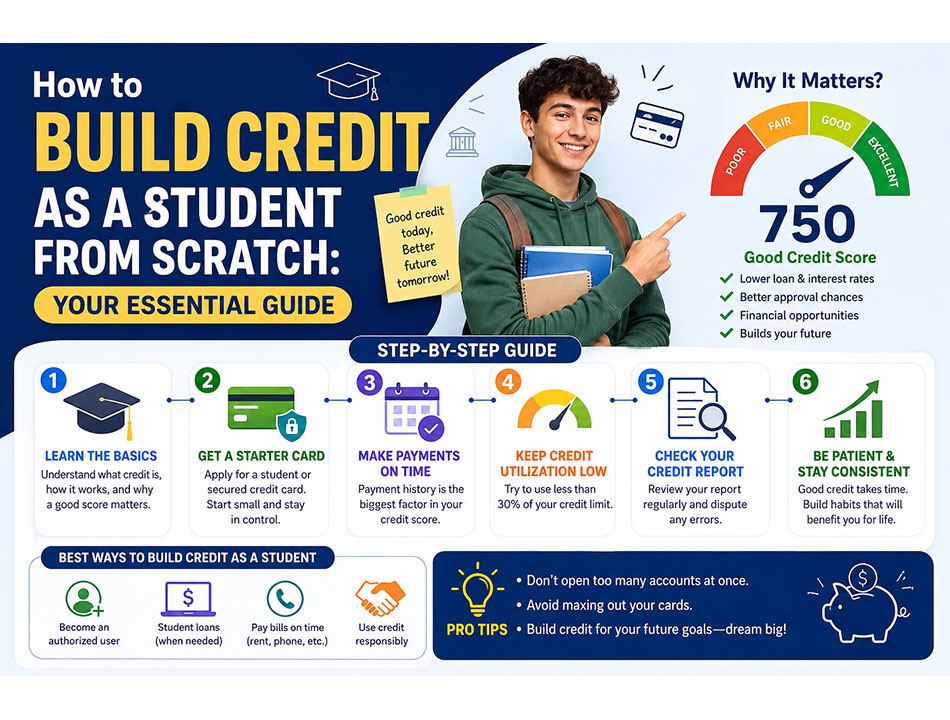
1. Opt for Student Credit Cards
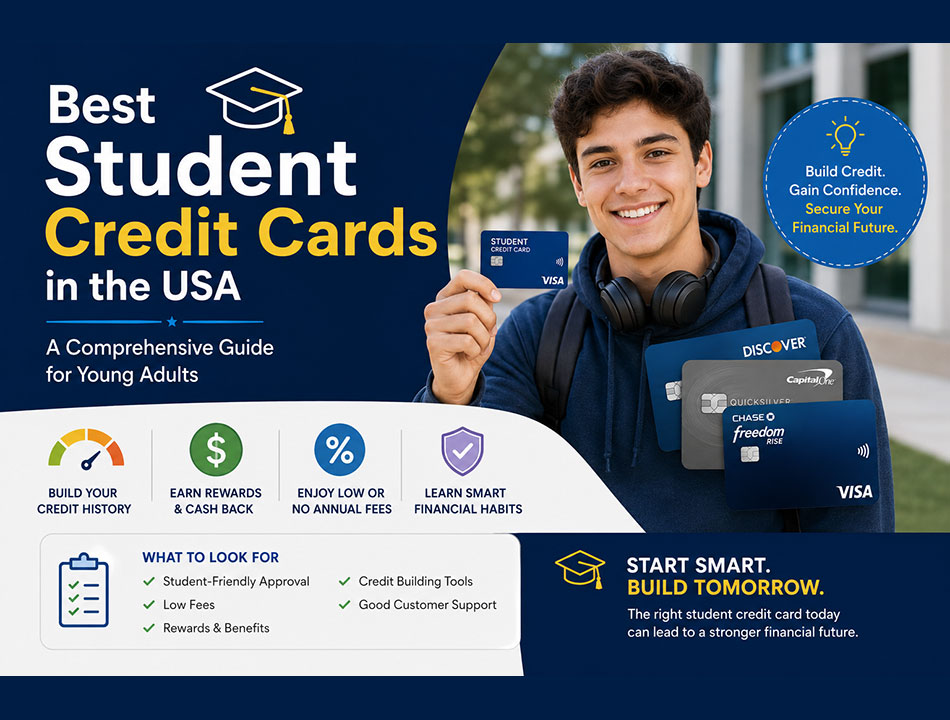
Student credit cards are actually created keeping the typical financial constraints and zero credit history of college students in mind. Coming with lower credit limits, and an array of rewards or cash back offers against purchases. They just fit the way students typically make transactions and expect gratification.
Some of the key benefits offered by student credit cards include the following.
- No Credit History Required: Unlike traditional credit cards, without any credit history a student can avail a student credit card.
- Rewards: Most student credit cards offer attractive cash back or rewards against purchases or spending typical of student life.
- Credit Building: Almost all student credit cards report all the repayment of credits to credit bureaus, ensuring an honest and transparent credit score building for the cardholders.
Do you want to use student credit cards as a successful tool for building credit history? Well, consider the following tips.
- Make Full Repayment Every Month: To add a high score on your credit report card, make it a point to pay your balance in full each month. This will also help you avoid unnecessary interest charges.
- Keep the Credit Use Threshold Lower: Always try to utilize far less than what your credit limit permits you to. For example, if your credit limit is $500, you can get a better score by limiting your spending to within $150 of this limit.
2. Secured Credit Cards
In case you don't qualify for a student credit card, you can always opt for,a secured credit card. As the name suggests, the secured cards require a security deposit and your credit limit is the same as your security deposit amount.
Some of the key benefits offered by secured credit cards include the following.
- Guaranteed Approval: Even if you have no credit history, just having a security deposit makes you eligible for this credit card.
- Builds Credit: When it comes to building a credit score, it works just like any other credit card. All your payment activities are reported to credit bureaus.
- Switch to No-Deposit Card: After using a secured card responsibly for a period, you can be eligible for a regular credit card requiring no deposit.
Do you want to know how to use secured cards successfully for building a credit score? Check out the tips below.
- Use it Like a Debit Card: When using secured cards, make sure to purchase anything that you can easily afford and pay back within the due time.
- Keep An Eye on Upgrade Opportunities: Since using these cards responsibly for some time, you can unlock the opportunities for availing regular cards, keep an eye on such upgrade opportunities after completing six months to a year of use.
3. Become an Authorized Credit Card User
An easy way to build your credit score without having a card in your name is to be an authorised user of a card held by your parents or any family member. For such authorisation, your credit history will not be checked but your credit history will be reported in your name for the respective card.
Some of the key benefits of using authorised credit cards include the following.
- Instant Credit History: You build a credit history instantly based on the usage of the primary cardholder.
- No Direct Responsibility: As a student, you do not need to own the responsibility for the debt directly.
Intrigued by the opportunities offered by this option? Well, you can really capitalize on authorised cards, if you follow the tips below.
- Choose A Card with a good payment history: Don’t get lured by having an authorized card from your uncle without knowing the risks. Check whether the respective card has a clean record of repayment before opting for it.
- Make Prior Communication: When getting such authorization, always discuss the spending limits and repayment responsibilities well in advance with the primary cardholder.
4. Credit-Builder Loans
Yes, there are also loan products designed specifically to help people without a credit history build their credit track record. These installment loans can help you build your credit history. Unlike regular loans, here the loan amount will not be disbursed into your hand upfront. Instead, the loan amount is kept in a locked savings account. After repaying the interest and principal through monthly installments for a specific period, you get the money held in the savings account.
Some of the ways such credit builder loans benefit people in developing credit history include the following.
- Credit Diversification: Apart from your regular credit cards, this allows you to add an installment loan to your credit profile and make it more diversified.
- Builds Payment History: All the installment payments are reported to credit bureaus, ensuring a positive impact on the credit score.
- Forced Savings: This loan product also forces you to save a sum of money that you receive at the end of the loan period.
Can you make it work to strengthen your credit history? Yes, you can but remember the following tips.
- Affordable Installment: Always opt for a loan amount against which the monthly installment amount is easily payable.
- Check Reporting: Before opting for such loan products always ensure that the respective authority reports your repayment history in time to the credit bureaus.
Long-Term Credit Building Plan: A 12-Month Guide
We all know that building a solid credit history takes considerable time, a cultivated and conscious spending habit, and consistent focus. It is not easy for most people, especially young students who happen to be more impulsive about spending and are very unlikely to have any experience. Here's a 12-month plan for students to help build credit history.
- 1st & 2nd Months: Start by applying for a student credit card or just a secured credit card. In case you can approach someone in your family with a decent payment track record, you can go for an authorized card as well.
- 3rd & 4th Months: Now it’s time to start using the card by making small affordable purchases and repaying the debt in full and before time. While spending, always make sure that your credit card spending doesn’t cross 30% of the credit limit.
- 5th & 6th Months: Now that you have used the card and made timely repayments, it is time to get a taste of what a credit report looks like. You can check your free credit reports from AnnualCreditReport.com.
- 7th & 8th Months: Since you have used the card quite responsibly by limiting your spending to one-third of the credit limit and by making timely repayments, you can now ask the respective card authorities to increase the credit limit a little.
- 9th & 10th Months: Now you have successfully tried and tested the credit card product. It is time to diversify your credit profile a bit to further strengthen it. You can now opt for a small credit-builder loan with an installment that you can easily afford.
- 11th & 12th Months: Now you have almost spent an entire year maintaining a solid credit history. Now continue with the same disciplined spending and repayment habits while looking to achieve other financial goals.
Final Thoughts
Building credit history early in your student life is not just about being eligible for more loan products or getting preferential treatment for property purchases, it can be the backbone of your financial growth plan. Strong credit history can also create more room for disciplined investment decisions and build financial resilience when facing a crisis.
Author

Related News